What is a human person worth? And in a related question, what is the shape of a human’s personhood? My wife and I sat down this weekend and watched Steven Spielberg’s latest film, Bridge of Spies. The story of a prisoner swap between the Soviet Union and the United States at the height of the cold war. The main character in the movie, James Donovan played by Tom Hanks, struggles to broker the complicated and tense negations between the two parties. Donovan is an insurance lawyer, turned defense lawyer, turned diplomat, turned high stakes negotiator. Often times Hank’s character is unaware or unsure of both sides real goals and motives. The questions that plague Donovan and the murky political waters he has to navigate are intoned by the darkened settings and lighting in the film. Just as with Schindler’s List the color palette or lack thereof highlights the difficulty and uncertainty of the film’s protagonist.
 What struck me as I watched this film was the way in which the value of human life was front and center in the film. Is an aging spy worth one or two Americans? Is the American serviceman worth more or the same as the American graduate student? Is the value of a spy in what they know or in something else entirely? Their service? Their uniqueness as a human being? Donovan throughout this film is set in opposition to his own government. The CIA agents handling him constantly press him to compromise his values. The CIA has made up its mind, the graduate student is not worth the trouble of saving, the pilot is. Donovan disagrees and insists on both Americans. In the end, the film is less about the spies as it is about the man who stands between the opposing parties who value objectives and secrets above and beyond the individual.
 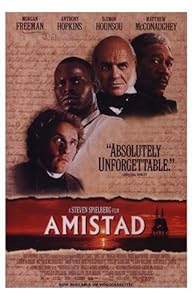 It struck me soon after watching this film, just how much Spielberg wrestles with this question of human value in his other films. In his latter movies, such as Saving Private Ryan, Amistad, Schindler’s List, and now Bridge of Spies, Spielberg takes this question on in a myriad of different ways. Can the life of one soldier and his potential value to his family out weigh the lives of his fellow soldiers? Oscar Schindler’s entire character ark starts from using individuals to make him wealthy toward coming to view nothing more valuable then an individual human life. Bridge of Spies is likely to be Spielberg’s least preachy example concerning the value of human life. In all three movies mentioned above,the theme is expressed directly. For example, Oscar Schindler, laments “I could have gotten one more.” And Itzhak Stern (played by Ben Kingsley) holds the list of Jews Oscar is going to absconds with and says, “This list is life.”
Bridge of Spies on the other hand plays it oblique. The result is a film that engrosses the viewer, allowing the individual to soak in the film’s message. Rather then being confronted by a message (such as the girl in the red dress in Schindler’s List) one is left enjoying the character of Donovan, feeling more acutely his struggles to value and promote human life. In many ways it is one of Spielberg’s more enjoyable and better films.